Understanding Property Boundaries in Victoria
Table Of Contents
The Impact of Local Laws
Local laws in Victoria significantly influence property boundary delineation and management. Various councils implement their own regulations tailored to local needs and practices. These codes dictate aspects such as fencing requirements, landscaping, and the permitted uses of land within certain zones. Understanding these local laws is essential for property owners to ensure compliance and avoid potential disputes with neighbours.
Ignoring local regulations may lead to unintended breaches that could result in legal complications. For instance, constructing a fence that does not meet the council’s specifications can lead to enforcement actions or demands for modifications. Property owners must navigate these rules alongside state legislation to establish a clear and legally recognised boundary. Keeping informed about updates or changes to local laws is crucial in maintaining proper property management.
Regulations Governing Property Boundaries
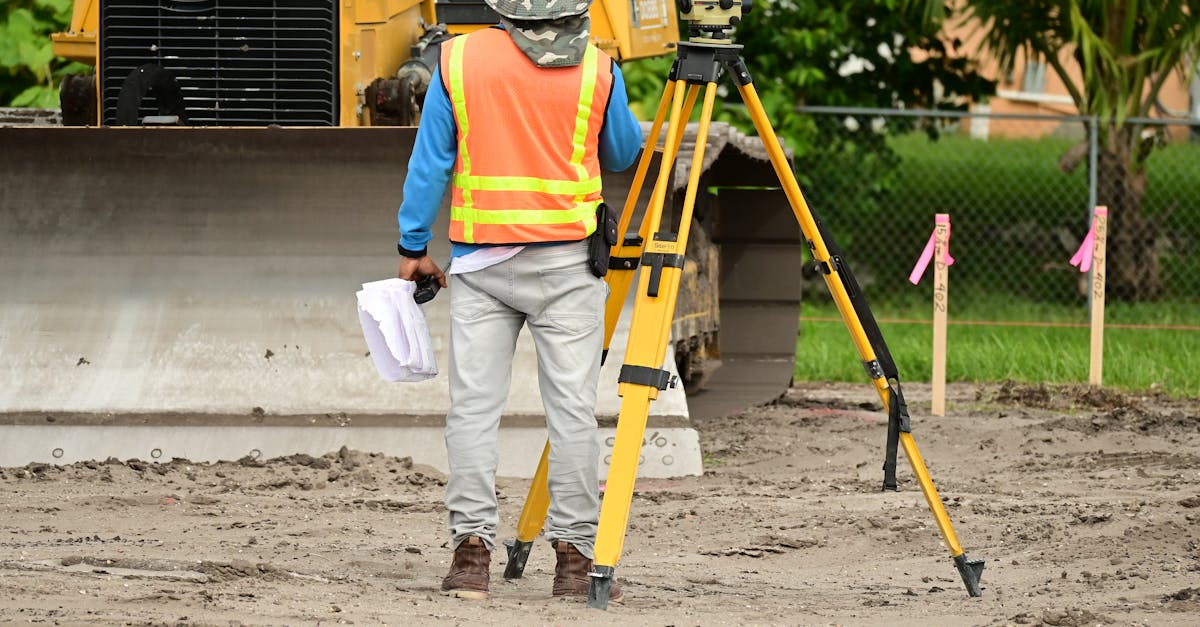
In Victoria, property boundaries are primarily governed by a mixture of state and local regulations, which dictate how land is surveyed and marked. These regulations ensure that landowners understand the exact dimensions of their property. When buying or selling land, it is critical to have a professional survey conducted. This practice helps to clarify any potential discrepancies in boundary lines caused by previous surveys or informal agreements.
Local councils may also have specific guidelines impacting property boundaries, especially in relation to development and landscaping. Adhering to these regulations is essential to avoid disputes with neighbouring properties. Landowners should remain aware of any changes in local laws that could affect their property rights. Understanding these rules can assist in mitigating future issues and ensuring compliance with broader planning strategies in their respective areas.
Dealing with Boundary Encroachments
Boundary encroachments can lead to disputes between neighbours and may complicate property ownership. To address these situations effectively, it is essential to gather accurate information regarding property lines. Surveying professionals can help ascertain the exact boundaries of a property, providing clarity and a legal basis for discussions with neighbours. These assessments play a crucial role in identifying whether an encroachment has occurred.
Once the extent of the encroachment is determined, engaging in respectful dialogue with the affected neighbour is vital. Open communication can lead to mutually beneficial resolutions, such as negotiating adjustments or agreeing on boundary markers. In some cases, formal agreements may be necessary to establish clear obligations and rights related to the encroached area. Legal advice can be beneficial in drafting such agreements to ensure they meet all necessary local regulations.
Steps to Resolve Issues
When boundary encroachments arise, the first step involves assessing the situation thoroughly. Property owners should gather relevant documents, such as title deeds and survey plans. Understanding the specifics of the property lines can provide clarity. Engaging a licensed surveyor may also be beneficial in accurately determining the boundaries.
Open communication with the neighbour is essential for resolving any disputes amicably. A face-to-face discussion can often lead to a mutual understanding. If discussions do not yield a solution, seeking mediation services can help facilitate the conversation. Documenting all communications and any agreements reached is important for future reference.
The Role of Neighbour Agreements
Neighbour agreements play a crucial role in establishing clear boundaries and mutual expectations between adjoining property owners. These informal contracts can outline specific agreements regarding the use of shared spaces, maintenance responsibilities, and any potential alterations that might impact one another's property. By setting these guidelines in writing, neighbours can foster a sense of cooperation, reducing the likelihood of disputes or misunderstandings in the future.
When neighbours take the initiative to formalise their understandings, it can enhance relationships and create a more harmonious living environment. Discussing issues proactively allows parties to address concerns before they escalate. A well-documented agreement can also serve as a useful reference in case of future disagreements, helping to clarify the rights and responsibilities of each party involved.
Establishing Clear Understandings
Clear communication between neighbours can significantly reduce disputes related to property boundaries. Open discussions about boundary lines and shared responsibilities help establish each party's expectations. This proactive approach fosters a sense of community and encourages cooperation, which can prevent misunderstandings before they escalate.
Formal agreements may also be beneficial for defining property boundaries and responsibilities. Written documents that outline the terms agreed upon can provide a reference point if disagreements arise in the future. Engaging legal professionals to draft these agreements ensures that they are comprehensive and enforceable, adding an extra layer of security for both parties involved.
FAQS
What are local laws and how do they impact property boundaries in Victoria?
Local laws are regulations established by local councils that govern various aspects of land use and property management. In Victoria, these laws can affect property boundaries by setting guidelines for building, fencing, and landscaping, which can influence how boundaries are interpreted and maintained.
What regulations govern property boundaries in Victoria?
In Victoria, property boundaries are governed by various regulations including the Land Act, the Subdivision Act, and local council regulations. These laws outline how boundaries are defined, surveyed, and recorded, providing a legal framework for property ownership and management.
What should I do if I suspect a boundary encroachment on my property?
If you suspect a boundary encroachment, the first step is to verify the property boundaries through a survey. If an encroachment is confirmed, you may need to discuss the issue with your neighbour and seek an amicable resolution. If necessary, legal advice may be sought to explore further options.
What steps can I take to resolve boundary disputes with my neighbour?
Resolving boundary disputes typically involves several steps: firstly, confirm the boundaries with a professional surveyor; secondly, communicate with your neighbour to discuss the issue; and thirdly, if an agreement cannot be reached, consider mediation or legal advice to formalise the resolution.
How can neighbour agreements help in understanding property boundaries?
Neighbour agreements can help clarify expectations regarding property boundaries and the use of shared spaces. By documenting mutual understandings and agreements, both parties can avoid future disputes and ensure that property boundaries are respected and maintained.
Related Links
The Role of Land Titles in Property OwnershipThe Influence of Land Surveying on Property Development
Key Legislation Affecting Land Titles in Australia
Resolving Boundary Disputes Through Legal Means
The Importance of Accurate Surveys for Land Titles
The Process of Obtaining a Land Title in Geelong