Best Practices for Conducting Construction Surveys
Table Of Contents
Implementing Technology in Surveys
The integration of advanced technology in construction surveys has revolutionised the way professionals approach their work. Tools such as GPS, drones, and 3D scanning equipment enhance precision and efficiency. Drones can quickly gather aerial data, covering large areas in a fraction of the time it would take traditional methods. GPS technology provides real-time location data, ensuring surveys are both accurate and easy to manage.
Additionally, software applications designed for data processing allow surveyors to analyse information effectively. Such tools can generate detailed visualisations and models, aiding in the interpretation of results. This technological support not only streamlines the survey process but also improves communication among team members and stakeholders. Embracing these modern solutions helps ensure projects are completed on time and within budget.
The Role of Modern Tools and Software
The integration of modern tools and software into construction surveys has revolutionised the way data is collected and analysed. These advancements enable surveyors to enhance precision in measurements, reduce the potential for human error, and streamline various processes. Tools such as GPS technology, drones, and 3D modelling software facilitate faster and more accurate data gathering, allowing for real-time analysis. Utilising these modern solutions not only improves the quality of the work but also fosters better communication among team members and stakeholders.
Furthermore, specialised software applications provide robust platforms for data management and visualisation. These programmes allow users to compile, interpret, and share survey results more efficiently. Capabilities such as mapping, modelling, and data analytics empower professionals to create detailed reports and presentations. By harnessing the power of technology, project teams can better understand site conditions, anticipate potential challenges, and ultimately make informed decisions that benefit the project's success.
Data Collection Techniques
Accurate data collection sets the foundation for a successful construction survey. Utilising tools like total stations and GPS devices ensures precision in measuring distances and angles. Leveraging drones for aerial surveys has gained popularity, offering a bird’s-eye view that can capture extensive areas quickly. Recording data electronically helps in minimising human errors and allows for easier storage and retrieval of information.
Fieldwork plays a crucial role in collecting reliable data. Employing techniques such as levelling can guarantee that any disparities in ground elevation are accounted for. Regular checks of equipment calibration will maintain accuracy throughout the survey. For projects requiring extensive measurements, combining traditional methods with modern technology provides a comprehensive approach. This integrated strategy enhances efficiency while ensuring robust and precise data gathering.
Best Methods for Accurate Measurements
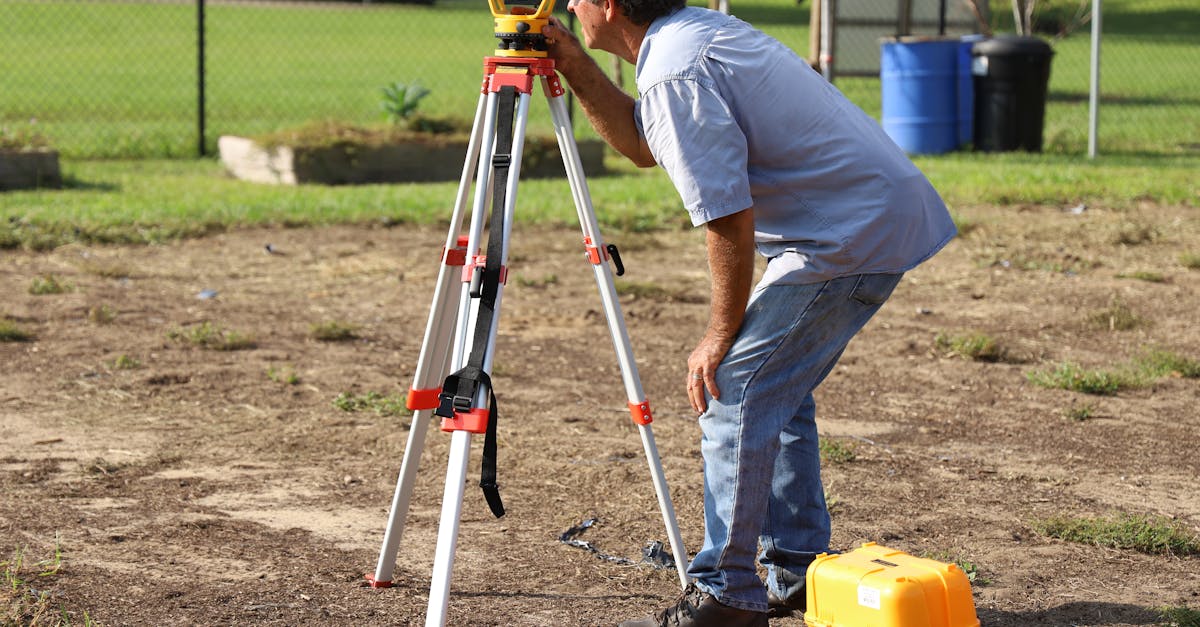
Effective measurement techniques are critical for the success of any construction survey. Traditional methods such as total stations and theodolites have been widely used due to their precision over long distances. However, advances in technology have introduced newer instruments like laser scanning and GPS surveys, which provide rapid and accurate data collection. Utilizing these tools not only improves measurement accuracy but also enhances productivity on site by enabling surveyors to cover larger areas in shorter timeframes.
Incorporating check measurements is essential for validating accuracy and ensuring no errors occur during the survey process. It is advisable to establish control points that can be referenced throughout the project, allowing for consistent measurements. Regular calibration of equipment is also necessary to maintain reliability. By employing redundancy in measurements, such as cross-referencing data from multiple sources, surveyors can significantly reduce the likelihood of discrepancies and foster trust in the results obtained.
Interpreting Survey Results
Interpreting survey results requires a thorough understanding of both the data collected and the context surrounding it. Various factors can influence the findings, including environmental conditions, equipment calibration, and the skills of the surveyors involved. By examining the results with a critical eye, professionals can identify trends and anomalies. This analysis contributes to informed decision-making during the construction process.
Drawing meaningful conclusions from survey data involves integrating various data sets and comparing them against established benchmarks. Visualisation tools can aid in presenting results more effectively, allowing stakeholders to grasp complex information readily. Annotations and clearly defined metrics enhance clarity and facilitate discussions among team members and clients. Hence, effectively utilising the insights gained from survey results can lead to improved planning and execution within construction projects.
How to Analyse and Utilise Data Effectively
Interpreting survey results requires a systematic approach to ensure accuracy and relevance. Begin by organising the collected data into manageable segments. Use software tools to facilitate analysis, as these can enhance the ability to identify trends and patterns. Graphical representations such as charts and maps can simplify complex information, making it easier for stakeholders to grasp key findings. This visualisation also aids in maintaining clarity during presentations, which fosters better communication among team members and clients.
Once the data has been interpreted, the next step is to apply the findings to inform future decisions. Each result should be evaluated in the context of the project's goals. Consideration should be given to how the data impacts planning, budgeting, and resource allocation. Feedback loops from field operations can provide invaluable insight, helping teams adapt strategies in real time. Continuous monitoring of the outcomes will ensure that adjustments are made promptly, optimising project performance and contributing to overall success.
FAQS
What are the best practices for conducting construction surveys?
Best practices for conducting construction surveys include implementing modern technology, using accurate data collection techniques, and effectively interpreting and analysing survey results.
How can technology improve construction surveys?
Technology can enhance construction surveys through the use of advanced tools and software that increase accuracy, efficiency, and data management capabilities, allowing surveyors to deliver better results.
What data collection techniques are recommended for construction surveys?
Recommended data collection techniques include using total stations, GPS systems, and drones, as well as ensuring precise measurements through traditional methods like levelling and triangulation.
How can I ensure accurate measurements during a construction survey?
To ensure accurate measurements, it’s important to calibrate your instruments regularly, choose the right survey methods based on the project needs, and maintain consistent environmental conditions during the survey.
What should I consider when interpreting survey results?
When interpreting survey results, consider the context of the data, the objectives of the survey, potential sources of error, and how the findings can be effectively utilised in the construction planning and execution stages.
Related Links
Legal Implications of Construction Survey ErrorsImportance of Accurate Construction Surveys in Geelong
Utilising Technology to Improve Construction Survey Outcomes
Integrating Construction Surveys with Building Information Modelling
The Impact of Site Preparation on Construction Survey Accuracy
The Significance of Elevation Data in Construction Surveys
Common Challenges Encountered in Construction Surveying
Key Techniques Used in Construction Surveys
Understanding the Role of Construction Surveys in Project Planning